Raw Is the New Filtered: The Exhausting Hustle Behind Looking Like You Don't Try
Somewhere between the fourth "I'm literally just being myself" TikTok of the day and a creator's tearful "no-makeup" confession reel, a very obvious irony got buried. The influencers who built entire brands around being unfiltered? They're running the tightest operation in the content game. The mess is scheduled. The breakdown has a posting time. The authenticity has a content calendar.
Welcome to the Authenticity Paradox — where looking like you don't care takes more effort than anything else online.
The Algorithm Wants Your Feelings (Formatted Correctly)
Here's the uncomfortable truth nobody's putting in their caption: platforms like TikTok and Instagram don't just reward authenticity — they reward the performance of it. Shaky camera work? Boosts watch time. Crying on main? Engagement through the roof. Admitting you're struggling? Comments section goes nuclear with parasocial support.
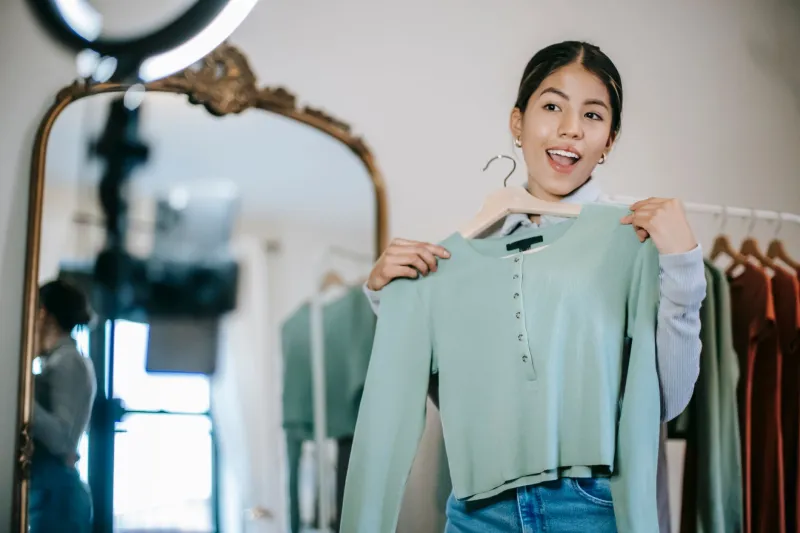
Creators figured this out fast. Not because they're villains, but because they're workers trying to survive a brutally competitive attention economy. When raw emotion consistently outperforms polished production, you start engineering the rawness. You film yourself in the car because it feels intimate. You drop the ring light for a grainy window-lit selfie because it reads as "real." You post the rambling, unedited voice memo because spontaneity is the brand.
None of this is accidental. It's a strategy with a skin-care routine level of discipline behind it.
"Not Like Other Influencers" Is Literally Everyone's Influencer Brand
The meta-twist that keeps this whole thing spinning is that positioning yourself against the influencer industrial complex has become the most popular influencer move going. There are thousands of creators right now whose entire identity is built on calling out how fake everyone else is — while building a merch line, negotiating brand deals, and A/B testing their thumbnails.
The "I just say what I think" creator spent forty-five minutes workshopping that "off-the-cuff" opinion. The "no filter" girlboss did three takes of that vulnerable moment. The guy who posts "raw footage" from his life edited out the parts where he looked boring.
This isn't a callout — it's just the reality of what the internet incentivizes. When authenticity becomes currency, everyone starts mining it. And like any currency that gets inflated, it starts losing its actual value while the hustle to produce it only gets more intense.
Strategic Vulnerability Is a Real Job Skill Now
Let's talk about the specific move that's become almost universal: the strategic vulnerability drop. You know the one. A creator who normally posts lifestyle content or comedy suddenly gets very real about their anxiety, their difficult childhood, a relationship that fell apart. The comments flood in. The shares spike. The follower count ticks up.
Then, two days later, they're back to normal content — and nobody really mentions the breakdown again until the next time engagement needs a boost.
This isn't unique to influencers, honestly. Celebrities have been doing the controlled revelation thing forever — the perfectly timed memoir, the strategic interview confession. But social media collapsed the distance between star and audience, so now it's happening at scale, constantly, from thousands of creators at once. And audiences are getting better at sniffing it out, even when they can't articulate why something feels slightly off.
The thing is, sometimes the vulnerability is completely real. That's what makes this so genuinely complicated. A creator can be authentically struggling and know that posting about it will perform well. Both things live in the same brain. That's not hypocrisy — it's the psychological mess of existing as a human being inside a content machine.
The Mental Tax Nobody's Talking About
Here's where it gets heavy. The pressure to constantly prove your realness — to differentiate yourself from the sea of calculated authenticity around you by being more authentic, more raw, more unguarded — is genuinely exhausting in a way that's hard to overstate.
Creators talk about it in therapy. They talk about it in Discord servers. They post about it, which then becomes content, which then has to be authentic enough to not seem like content, which circles back to the whole problem.
There's a specific kind of burnout that comes from performing vulnerability for an audience over a sustained period of time. You're not just tired from the work — you're tired from the emotional labor of mining your own life for relatable moments, packaging your worst days into digestible content, and then reading the comments to see if your pain landed correctly.
And if you ever stop being that open? Your audience feels betrayed. They built a relationship with the version of you that shared everything. Going quiet, setting a boundary, deciding some things are private — that reads as inauthentic to a fanbase that was sold on access.
So Is Any of It Actually Real?
The cynical answer is no, and honestly, that's a vibe. But the more accurate answer is messier: it's real and performed simultaneously, and those two things have stopped being opposites.
The creator who's crying on camera might be genuinely devastated and aware that this footage is going up tomorrow. The influencer who posts their "authentic morning routine" might actually wake up like that — but also knows it's working for them financially. The person who rants about hating social media is also the person who has never missed a posting day.
What's actually eroding isn't authenticity itself — it's our ability to verify it. Which means audiences are increasingly operating on vibes and gut feeling, trying to decode whether someone's "real" based on metrics that are increasingly gamed. We're all doing emotional forensics on strangers' content at 1am and calling it connection.
The Exit Ramp Nobody Wants to Take
The logical conclusion here is that the whole authenticity arms race is a trap, and the only winning move is not to play. But try telling that to a creator whose livelihood depends on staying relevant, or an audience that genuinely feels seen by someone who seems to be telling the truth.
Maybe the more honest reframe is this: stop expecting the internet to give you unmediated reality and start appreciating skilled performance for what it is. A creator who's good at making you feel connected to them is doing something genuinely impressive — it just might not be the thing they're claiming to do.
Authenticity was always a construction. We just used to be better at pretending otherwise.
And somewhere, a very relatable creator is filming a reaction to this article in their car, one take, no edits — posted at peak engagement hours, obviously.