Selling Your Soul in HD: How 'Authentic' Became the Most Manufactured Word on the Internet
Somewhere between the crying-in-the-car TikToks and the "I almost didn't post this" Instagram captions, authenticity quietly became the most expensive product on the internet. Nobody's selling perfection anymore. That's so 2015. What they're selling now is the appearance of imperfection — and business is absolutely booming.
We are living inside what you might call the Authenticity Industrial Complex: a multi-billion dollar ecosystem built on the promise of realness, staffed by creators who spend hours crafting content designed to look like it took zero effort, and consumed by audiences who know it's a performance but keep watching anyway. The irony isn't lost on anyone. It just doesn't matter.
The "I Woke Up Like This" Economy
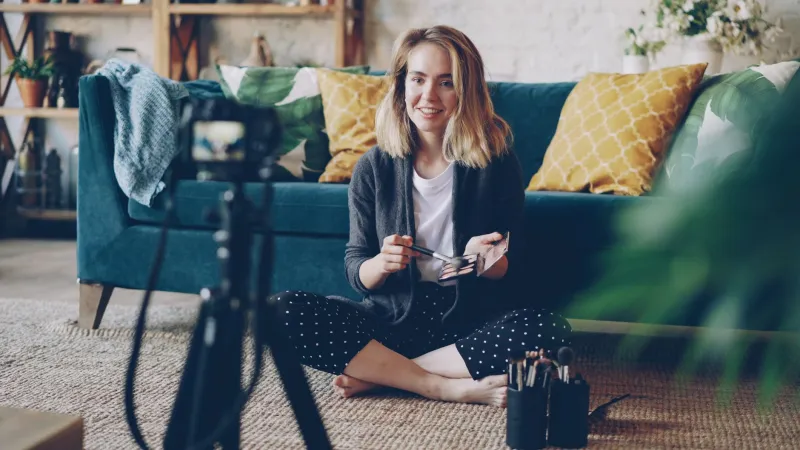
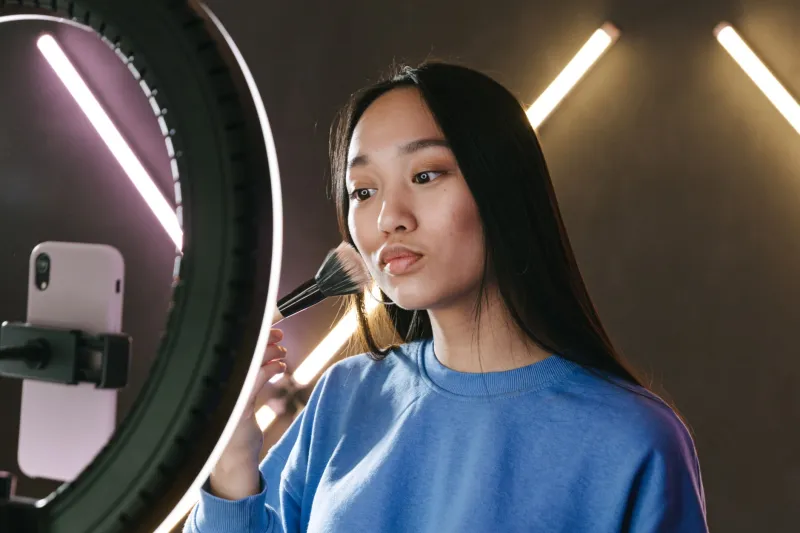
Let's be honest about what we're actually looking at. When a creator posts a makeup-free "raw" selfie with a caption about struggling with self-worth, there is almost always a ring light somewhere just off-frame. The post was probably drafted, revised, and timed for peak engagement. The vulnerability is real — but it's also content. Those two things can be true simultaneously, and that's exactly what makes this moment so complicated.
Gen Z grew up watching the influencer machine eat previous generations alive. They watched the carefully curated feeds, the fake happy families, the sponsored posts for detox teas that nobody actually drank. They clocked the performance from the jump and decided they wanted something different. What they built instead was a new performance — one that cosplays as the absence of performance. The no-filter filter. The messy bun that took three attempts.
The demand for authenticity was genuine. The supply, however, is almost always manufactured.
Trauma Has a Posting Schedule
Here's where it gets genuinely uncomfortable. The commodification of vulnerability didn't sneak up on creators — it was practically handed to them as a business model. Platforms reward emotional disclosure. Algorithms surface content that generates strong reactions. Brands specifically seek out creators who feel "relatable" and "real." The financial incentives are pointing directly at your most painful personal experiences and saying: post that.
And so people do. They post about their eating disorders, their family estrangements, their mental health crises — and then, three slides later, there's a code for 20% off therapy app subscriptions. The disclosure is real. The pain is real. But it's been processed through a content pipeline that turns lived experience into engagement metrics before the tears are even dry.
This isn't an accusation. It's an observation about a system that has made emotional labor into literal labor. When you're a creator trying to pay rent, the line between "sharing my story" and "monetizing my trauma" gets blurry fast. The platform doesn't care which side of that line you're on. It just wants the watch time.
The Calculation Behind the Candor
Ask any mid-to-large creator off the record and they'll tell you the same thing: the most "spontaneous" moments require the most planning. The tearful breakdown video that went viral? Shot twice. The "unfiltered" apartment tour? The dishes were strategically placed to look messy without being gross. The "honest" conversation about relationship problems? Approved by a manager before it went live.
None of this makes the content fake, exactly. But it does complicate the story we tell ourselves about what we're consuming. When we watch someone "be real" online, we're watching a highly edited version of real that has been stress-tested for palatability, optimized for the algorithm, and cleared through whatever internal or external approval process keeps the brand deals coming.
The audience knows this on some level. And yet the hunger for authentic connection online hasn't decreased — it's accelerated. Which suggests that what people are actually craving isn't authenticity itself. It's the feeling of authenticity. The simulation of being seen by someone who is also genuinely seen. And that feeling can be manufactured just as effectively as anything else.
Who Gets to Be Real (And Who Gets Punished For It)
One thing the Authenticity Industrial Complex never quite addresses is who gets rewarded for vulnerability and who gets destroyed by it. A white creator posting about their anxiety gets a book deal. A Black creator posting about the same experience gets accused of being "too much." A plus-size creator being "real" about their body gets flooded with concern trolling disguised as health advice. A queer creator sharing their coming-out story gets platformed — until they say something politically inconvenient and the same audience that celebrated their realness turns on them overnight.
Authenticity, it turns out, is not a level playing field. The market for realness has a very specific idea of whose realness is marketable. And that selectivity reveals something important: this was never actually about honesty. It was about a particular aesthetic of honesty that fits neatly into existing social hierarchies and doesn't challenge too much.
The most "authentic" creators are often the ones who are authentic in ways that are safe, digestible, and easy to monetize. The ones whose real lives are inconvenient — too political, too angry, too unglamorous — tend to find that the algorithm is considerably less enthusiastic about their candor.
So What Now?
None of this means you should stop watching, stop creating, or stop caring. It means you should hold the content you consume with a little more complexity than the platform wants you to. The creator you love might be genuinely struggling AND running a calculated content strategy around that struggle at the same time. Both things are allowed to be true.
What's worth pushing back on is the mythology — the idea that there's some pure, uncommercialized version of human expression available to us online if we just find the right creator. There isn't. The internet is a marketplace. Authenticity is a product category. And the most successful practitioners of realness are the ones who figured that out first and built their brand around making you forget it.
The crying in the car is real. The algorithm serving it to you at exactly the right moment to sell you something? That's the part worth thinking about.
Welcome to the most honest dishonest place on earth. Don't forget to like and subscribe.