When the Vibe Dies: The Very Real Grief of Falling Out With Your Favorite Celebrity
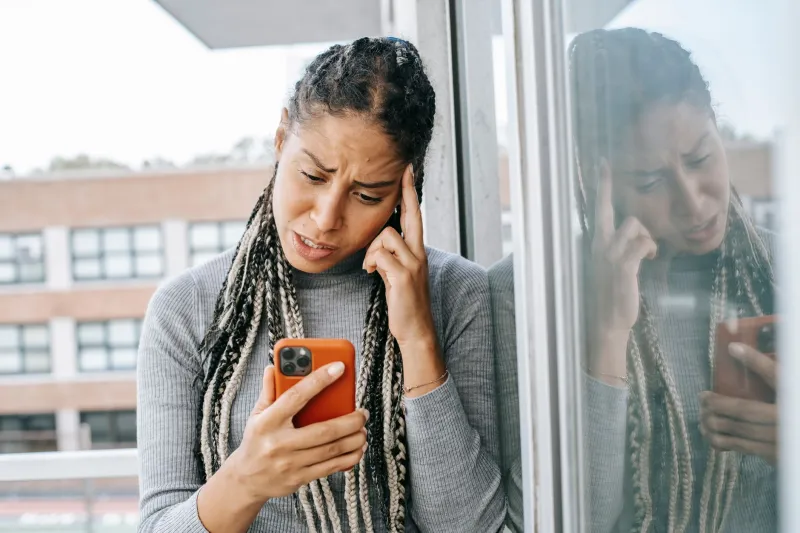
You remember exactly where you were when it happened. Maybe it was a leaked DM, a tone-deaf post, a resurfaced video from 2016, or just a slow, creeping realization that the person you'd been defending in comment sections for two years… wasn't who you thought they were. And then came the feeling nobody warned you about: actual, gut-punch grief.
Not metaphorical grief. Not "ugh, that sucks" grief. Real, cry-in-your-car, delete-your-playlist, stare-at-the-ceiling grief.
Welcome to the parasocial breakup — one of the most emotionally disorienting experiences of the modern internet age, and one that almost nobody takes seriously enough.
What Even Is a Parasocial Relationship?
The term "parasocial" was coined back in the 1950s by sociologists Donald Horton and Richard Wohl to describe the one-sided emotional bonds audiences form with media figures. Back then, they were talking about TV hosts. Today, they might as well have been describing the entire architecture of the internet.
Instagram, TikTok, YouTube, and Twitch have turbocharged these connections beyond anything Horton and Wohl could've imagined. Creators and celebrities aren't just broadcasting — they're sharing. Morning routines, therapy updates, relationship drama, mental health spirals, childhood trauma. The algorithm rewards vulnerability, and audiences respond by investing emotionally at a depth that used to require actual friendship.
Dr. Pamela Rutledge, director of the Media Psychology Research Center, has described parasocial relationships as a "natural human response" to repeated, intimate exposure to another person — even if that exposure is entirely one-directional. Your brain doesn't always register the difference between a friend who texts you every day and a creator whose voice you wake up to every morning.
So when that relationship ruptures? The grief is neurologically, emotionally real.
The Fall From Grace Playbook
Let's talk case studies, because the last few years have been relentless.
Take the slow unraveling of certain beloved YouTubers who built their entire brands on authenticity, only to have sponsorship scandals, allegations, or just deeply weird public behavior pull back the curtain. Or the K-pop stans who've had to process idols being outed for bullying, dating controversies, or military service drama — communities that sometimes number in the millions, all processing collective heartbreak in real time on Twitter (sorry, X) and Weverse.
Then there's the Olivia Rodrigo-adjacent discourse, the Sabrina Carpenter discourse, the Taylor Swift discourse that never actually ends — parasocial grief doesn't just come from moral failures. Sometimes it comes from evolution. A celebrity grows, changes their sound, gets a boyfriend, makes a business move, and suddenly a segment of their fanbase feels abandoned. Like they were left behind.
That feeling of abandonment? Psychologists say it maps almost perfectly onto the emotional template of a human breakup.
Stan Culture's Emotional Tax
Here's what doesn't get said enough: being a stan is labor. Emotional, psychological, sometimes financial labor.
Fans create content, run fan accounts, defend their favorites in comment wars, buy merch, stream songs on repeat to boost chart positions, organize coordinated campaigns. They pour hours of their lives into these relationships. And unlike a regular friendship, there's no reciprocity — no text back, no "hey, how are you doing," no acknowledgment that you exist.
When the celebrity falls, all of that labor feels retroactively wasted. And that's where it gets genuinely rough for young people's mental health.
A 2022 study published in the Journal of Social and Personal Relationships found that people with high parasocial attachment to celebrities reported significantly elevated emotional distress during public celebrity controversies — distress levels that in some cases mirrored those associated with the dissolution of real-world friendships. Younger participants, particularly those aged 16-24, showed the strongest responses.
For Gen Z especially, who grew up forming their earliest social identities partly through fandom, the stakes are higher. Your favorite artist's aesthetic might be woven into your own sense of self. When they fall, part of the scaffolding falls with them.
The Grief Cycle, But Make It Online
Parasocial grief tends to follow a recognizable pattern, and if you've been through it, you'll clock every stage immediately.
Denial looks like "that can't be right, wait for more context." Anger looks like quote-tweeting exposés at 2 a.m. Bargaining looks like "okay but their old music still means what it meant to me, right?" Depression looks like unfollowing, muting, and a weird hollow feeling when their name comes up. Acceptance looks like… eventually being able to separate the art from the artist, or deciding you can't, and moving on.
What makes this cycle particularly brutal is that it plays out publicly, in community, with thousands of other people who are also grieving — some of whom are still in denial and will fight you about it.
So What Do We Do With All This?
First: normalize the grief. Stop telling people to "just get over it, they don't even know you exist." That framing misses the entire point. The relationship was real in the ways that mattered emotionally, even if it was asymmetrical structurally.
Second: be thoughtful about the depth of investment. This isn't about loving celebrities less — it's about building a sense of self that doesn't hinge entirely on one person's public behavior. Diversify your emotional portfolio, if you will.
Third: use the community. The same fan spaces that amplify grief can also be genuinely therapeutic. People who've been through the same parasocial rupture can offer a specific kind of solidarity that your non-fan friends probably can't.
And fourth — and maybe most importantly — recognize that the grief you feel says something real and good about your capacity for emotional connection. You're not pathetic for caring. You're human.
The celebrity let you down. That part is on them. The love you brought to the table? That was always yours.


