Embarrassment Is the Brand: How Leaning Into the Cringe Became Gen Z's Most Powerful Flex
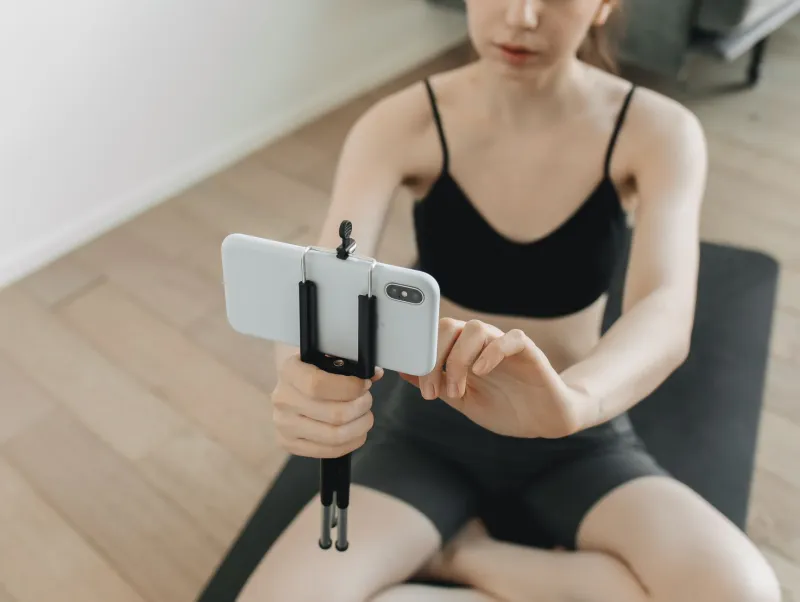
There's a creator out there right now posting a video of themselves doing something objectively, cosmically embarrassing — bad lip sync, unhinged green screen, weird little dance in their parents' kitchen — and they're going to make more money from it this month than most people make in a year.
This is not an accident. This is a strategy.
We are deep in what can only be described as the Cringe Renaissance, and if you're still operating under the assumption that polish, aspiration, and careful image management are the keys to internet success, you are so far behind the curve you might as well be posting on Vine.
The Death of Trying Too Hard
Let's rewind for a second. There was a specific era of influencer culture — peak Instagram, roughly 2014-2019 — that was defined by relentless, exhausting perfection. Golden hour photos. Flat lays. Perfectly articulated "authentic" captions that were clearly workshopped for forty-five minutes. Everything was aspirational. Everything was curated. Everything looked like a catalog for a lifestyle you could never actually afford.
And then TikTok arrived and blew the whole thing up.
Not because TikTok invented authenticity — but because TikTok's algorithm rewarded engagement, and nothing drives engagement quite like watching someone absolutely humiliate themselves in a weirdly endearing way. The platform democratized virality and accidentally created the conditions for cringe to become currency.
The influencers who understood this first didn't just survive the transition. They thrived.
The Architects of Intentional Awkward
Look at the landscape of who's actually winning right now and a pattern emerges.
There's a whole ecosystem of creators whose entire brand is built on being aggressively, almost defiantly uncool. The "NPC streaming" phenomenon — where creators literally perform like video game background characters for hours on TikTok Live — is one of the most surreal examples. It looks absurd. It is absurd. It also generated millions of dollars in virtual gifts from audiences who couldn't look away.
Then there's the "very demure, very mindful" wave, the unhinged "girl dinner" discourse, the entire subgenre of creators who make deliberately bad content — janky edits, purposely terrible green screens, jokes that go on seventeen seconds too long — and rack up millions of views because the audience is in on the joke. Or maybe isn't. The ambiguity is the point.
On the celebrity side, consider how Chappell Roan built one of the most explosive rises in recent pop history partly by being loudly, theatrically weird and refusing to sand down her edges for mainstream palatability. Or how Ice Spice's entire early mystique was partly built on a kind of studied blankness that read as either deeply sincere or deeply ironic depending on who was watching — and both interpretations made her more interesting.
The common thread: none of these people are accidentally embarrassing themselves. They're choosing it.
Sincerity and Irony Are the Same Thing Now (Stick With Me)
Here's where it gets philosophically interesting, and also kind of headache-inducing.
For a while, cultural critics talked about "post-irony" as this emerging mode where you couldn't tell if someone was being genuine or joking. Gen Z didn't just arrive at post-irony — they made it their entire operating system.
The concept of "cringe" itself has been completely destabilized. What used to be social death is now a viable aesthetic. The things that previous generations would have been mortified by — being too enthusiastic, too weird, too earnest, too much — have been reclaimed as markers of authenticity. Caring too much about something niche is cool now. Being visibly, joyfully uncool is cool now.
This isn't nihilism. If anything, it's a rejection of the exhausting performance of effortlessness that defined millennial cool culture. Gen Z looked at the carefully constructed "I woke up like this" aesthetic and said: that's actually more embarrassing than just being real.
And they were right.
The Business Case for Being Weird
Let's talk numbers for a second, because this isn't just a vibe — it's economics.
Brands have noticed. The same corporations that spent a decade chasing hyper-polished influencer content are now tripping over themselves to partner with creators whose entire appeal is that they seem slightly unhinged. Duolingo's social media team built a massive following by committing fully to an absurdist, borderline unnerving persona for their owl mascot. Wendy's Twitter (X, whatever) has been doing chaotic, cringe-adjacent brand voice for years and spawned a thousand imitators.
The logic is simple: in an attention economy drowning in content, polish is invisible. Weirdness is memorable. If someone's talking about your brand — even because you did something bizarre — that's infinitely more valuable than being aesthetically inoffensive.
For individual creators, the math is even more compelling. Authentic weirdness is sustainable in a way that perfection isn't. You can't maintain a flawless curated persona indefinitely — it's expensive, it's exhausting, and audiences eventually sense the artifice and check out. But being yourself, even an amplified, performed version of yourself? You can do that forever.
What This Says About Us
Here's the read that nobody's saying out loud: the Cringe Renaissance is partly a collective coping mechanism.
We're living through a lot. Climate anxiety, economic instability, political chaos, the general sense that the adults in the room have absolutely no idea what they're doing. In that context, choosing to be silly — choosing to embarrass yourself on the internet for the bit — is almost a radical act. It's a refusal to take the performance of seriousness seriously.
It's also, weirdly, more honest. The person making a deliberately bad video and laughing at themselves is doing something the polished aspirational influencer never did: they're letting you in on the joke. They're saying, I know this is ridiculous, and I'm doing it anyway, and that's kind of the whole point.
There's community in that. There's relief in that.
So yeah — embarrassment is the brand. And honestly? It's the most compelling brand move in years.