Fandom With an Off Switch: How Gen Z Finally Learned to Enjoy Celebrities Without Becoming Them

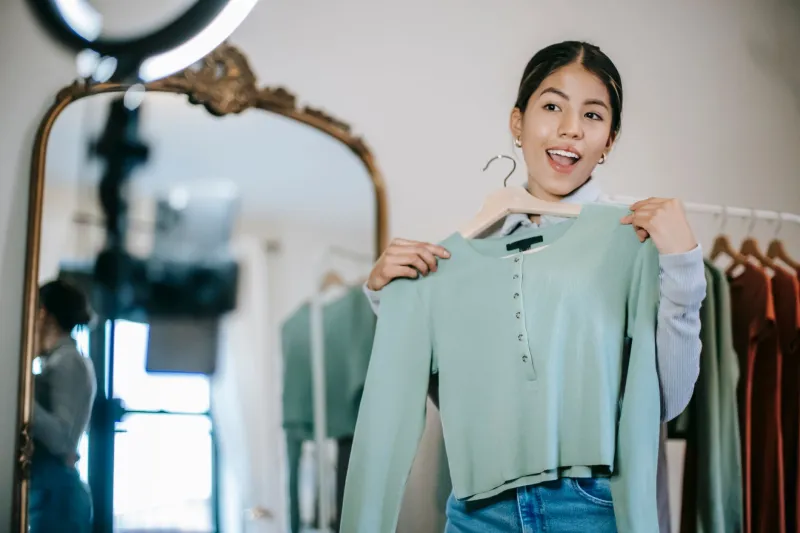
Photo by Photo by Shane Ryan Herilalaina on Unsplash on Unsplash
There's a version of fandom that older millennials know really well. It looked like bedroom walls covered floor to ceiling in magazine cutouts. It looked like forum posts at 2 a.m. defending someone you'd never met from strangers you'd also never meet. It looked, honestly, kind of consuming — and not always in a cute way.
Gen Z watched all of that happen in real time, grew up inside the wreckage of it, and quietly decided to do something different. Not quit entirely. Not pretend they don't care about pop culture — because come on, they absolutely do. But build something more sustainable. Something with an actual off switch.
Welcome to the era of casual stanning, where you can genuinely love a celebrity's work, stream their music on repeat, catch every interview they post, and still log off at the end of the day as a fully intact human being.
The Millennial Blueprint Was a Lot
To understand why Gen Z is doing fandom differently, you have to understand what they were handed. Millennial stan culture — the kind that gave us the word "stan" in the first place, courtesy of Eminem's 2000 deep cut — operated on a kind of total devotion model. You didn't just like someone. You were a Directioner, a Little Monster, a Belieber. The identity was inseparable from the person you were worshipping.
And for a while, that intensity was kind of the point. Social media platforms rewarded it. Fan accounts with the most obsessive content got the most followers. The louder and more all-in you were, the more the algorithm loved you. Fandom became a competition to prove who cared the most, who stayed up the latest, who could mobilize the fastest when a celebrity needed defending.
The problem? Celebrities are people. Complicated, often deeply flawed people who will eventually do something that makes you feel stupid for going that hard. And when your identity is wrapped up in theirs, that betrayal doesn't just sting — it genuinely destabilizes you.
Gen Z saw this play out with their own eyes. They watched fandoms implode. They watched parasocial relationships crash and burn publicly. They took notes.
Casual Stanning Is Not Apathy in Disguise
Here's where people get it wrong: calling this a retreat from fandom, or assuming Gen Z just doesn't care about celebrities the way previous generations did. That's not it at all.
Casual stanning is not indifference. It's appreciation with architecture. It means you can be genuinely excited when your favorite artist drops an album, share it everywhere, and then — here's the key part — also acknowledge when that same artist does something questionable without your whole sense of self crumbling.
You'll see it in the language young fans use online now. "I'm a fan of the music, not the person." "I support the art, but I'm not riding or dying for anyone." "She's talented but I don't actually know her." These aren't disclaimers people are embarrassed to make — they're being said with a kind of pride. A self-awareness that reads as almost radical compared to where fandom was even five years ago.
There's a TikTok shorthand for this too: "respectful enjoyer." It's exactly what it sounds like. You enjoy the thing. You respect the creator. You do not, under any circumstances, make them your entire personality.
The Algorithm Tried to Pull Them Back In
None of this happened without resistance. Platforms are literally designed to reward emotional investment. The more you engage — the more you comment, share, react, spiral — the more content you get served. And content keeps you online. Staying online keeps the platform profitable.
So there's a real tension here. Gen Z is actively working against systems that want them to go deeper, care harder, and spend more time inside parasocial loops. The fact that so many of them are managing to resist that pull is kind of remarkable.
Part of the answer is that they've gotten genuinely good at recognizing manipulation tactics. A celebrity posting a crying video at midnight to drum up sympathy? Gen Z clocks it fast. A PR-managed "vulnerable" moment timed perfectly before an album release? They see it. The media literacy this generation has developed is real, and it functions like a natural immune system against the more exploitative corners of celebrity culture.
That doesn't mean they're cynical about everything — it means they've learned to distinguish between moments that feel authentic and moments that feel engineered. And they're willing to enjoy both, just with different levels of emotional investment.
Setting the Limits Before the Let-Down
Maybe the most interesting shift in how Gen Z approaches fandom is the pre-emptive boundary-setting. Where older generations often had to learn their limits the hard way — through heartbreak, through betrayal, through the specific sting of defending someone who turned out not to deserve it — younger fans are establishing those limits upfront.
It sounds almost clinical, but it's actually kind of beautiful. It's the difference between going into a relationship with no expectations and then being devastated when it doesn't work out, versus going in clear-eyed about what you're there for and what you're not.
"I like her music. I think she seems cool. I don't actually know her and I'm not going to pretend I do" — that's a complete and healthy thought. It leaves room for genuine enjoyment without setting yourself up for a fall.
This is also why the parasocial prenup concept resonates so hard right now. It's not a legal document, obviously — it's a mental framework. A private agreement you make with yourself before you let someone take up space in your head. I will enjoy this. I will not over-invest. I reserve the right to walk away without drama.
What This Means for the Industry
The entertainment industry has not fully caught up to this shift yet, and that's creating some interesting friction. Labels, management teams, and PR firms built entire strategies around maximizing fan devotion. The deeper the parasocial attachment, the more reliable the revenue — tickets, merch, streaming numbers, social engagement.
But if the most culturally influential generation of fans right now is actively building in emotional distance, that playbook stops working as well. Artists who are thriving with Gen Z audiences tend to be the ones who aren't asking for total devotion in return. They share their work, they show up authentically, and they don't seem particularly interested in manufacturing a cult of personality around themselves.
Chappell Roan is a good recent example — someone whose fanbase is passionate but also, notably, has been explicitly encouraged by the artist herself to remember that she's a human being with limits. That kind of transparency doesn't kill the fandom. It actually makes it more durable.
The Flex Nobody Expected
Here's the thing nobody predicted: having a healthy relationship with celebrity culture has become its own kind of status symbol for Gen Z. Being the person who can talk intelligently about an artist's work without losing your mind over their personal life? That's the move now.
It signals self-awareness. It signals emotional maturity. And in a media landscape that has historically rewarded the loudest, most obsessive voices, choosing to be a thoughtful, boundaried fan is genuinely countercultural.
Gen Z didn't abandon fandom. They just finally gave it some ground rules. And honestly? The rest of us could probably take notes.