Soft-Blocking the Stan Life: The Gen Z Exit From Celebrity Obsession Is Already in Progress
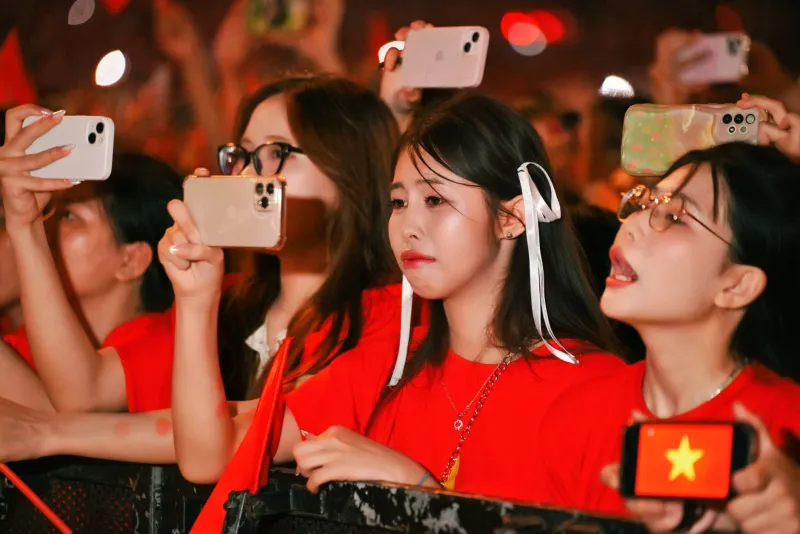
There's a specific kind of exhaustion that only former stans know. It's not just being tired — it's the particular full-body fatigue of having spent three years of your life emotionally invested in someone who doesn't know your name, defending them in comment sections at 1am, crying when they got bad press, and feeling personally victorious when their album debuted at number one. It's the crash after the parasocial high. And more and more, Gen Z is deciding they'd rather not take the hit in the first place.
Call it the Great Fandom Detox. Call it the soft-block on stan culture. Whatever you name it, something is genuinely shifting in the way young people relate to celebrity — and the implications for the entire entertainment industry are bigger than anyone's really ready to admit.
When Loving Something Became a Full-Time Job
To understand the exit, you have to understand how absolutely unhinged the entry got. Stan culture — named after the Eminem song, turbocharged by Twitter, and fully industrialized by TikTok — turned celebrity appreciation into a competitive sport with no off-season. To be a real fan wasn't just to enjoy the music or the show. It was to prove your devotion through volume and velocity: the number of posts, the speed of your hot takes, the intensity of your defense when someone came for your fave.
The parasocial relationship stopped being a side effect and became the whole point. Fandoms developed internal hierarchies. Casual listeners were dismissed as fake fans. The people who had been there since the beginning — who had the receipts, the deep-cut knowledge, the merch — held social capital over newcomers. Stanning became an identity, not just a hobby.
And then, slowly, it started to feel like a trap.
The Receipts Got Too Heavy
Part of what's driving the exit is simple disillusionment. Gen Z has watched enough celebrity implosions — enough parasocial betrayals, enough gap-between-public-image-and-private-behavior reveals — to develop a healthy (or maybe just self-protective) skepticism about investing too deeply in famous people.
Think about the cycles they've lived through in just the last five years. Artists they championed turned out to be complicated in ways that felt personal. Celebrities they defended publicly ended up making statements that contradicted everything their fandom had projected onto them. Reality TV stars they rooted for season after season revealed themselves to be, well, exactly as messy as reality TV suggested. Every single one of those moments required the fans to do emotional labor — to process, to debate, to decide whether to stay or go — and nobody was paying them for it.
At some point, the ROI just doesn't math out.
The Rise of Casual Appreciation (And Why It's Actually Kind of Radical)
What's replacing intense fandom isn't indifference — it's something younger audiences are starting to articulate as casual appreciation. I like this artist's music. I'll stream the album. I'll watch the tour documentary. I won't be organizing my entire emotional life around their public persona.
On its face, that sounds like basic consumer behavior. But in the context of an entertainment industry that has spent decades engineering parasocial dependency — that has built entire marketing strategies around fandom loyalty, stan armies, and the social media engagement that comes from people who care too much — casual appreciation is actually a form of quiet resistance.
You can see it playing out in real time on social platforms. The ironic celebrity fan account. The post that says I like her music but I am not going to war over this, respectfully. The comment sections where people are increasingly calling out other fans for the intensity of their investment rather than celebrating it. The vibe has shifted from we ride together to I'm just here for the songs, babe.
What This Means for Celebrity Power
Here's where it gets interesting for the industry. The stan army model — where a celebrity's cultural dominance was partly propped up by a deeply invested base willing to stream-game, chart-manipulate, and mass-report critics into oblivion — only works if those armies stay mobilized. And mobilized armies require emotional fuel.
If Gen Z is rationing that fuel, the whole system starts to wobble. Engagement metrics get murkier. Viral moments become harder to manufacture. The celebrity who built their brand on parasocial intimacy — the one who made you feel like you knew them — suddenly has to contend with an audience that's decided knowing them isn't actually that important.
It also changes the power dynamic in ways that are genuinely interesting. A fanbase that's less emotionally dependent is also less controllable. They're harder to mobilize for promotional cycles. They're less likely to forgive or forget. But they're also less likely to turn on you in the violent, coordinated way that toxic stan culture occasionally produces. It's a cooler relationship — lower highs, but also lower lows.
The Ironic Fan Is the New Normal
What's emerging in the space where intense fandom used to live is something more detached, more ironic, and arguably more honest. The meme-ification of celebrity worship — treating your own parasocial investment as something to be laughed at rather than defended — is already a dominant mode on TikTok. I would die for this person said with full awareness that it's absurd. She is everything to me as a joke that's also, just a little bit, true.
This ironic distance isn't disengagement. It's armor. It lets young people participate in pop culture without fully surrendering to it. It keeps the fun without the grief. And in a media landscape that has spent years trying to monetize their emotional vulnerability, maybe that's exactly the energy they should've had all along.