No Sides Required: Why Gen Z Watches Celebrity Beefs Like It's Must-See TV
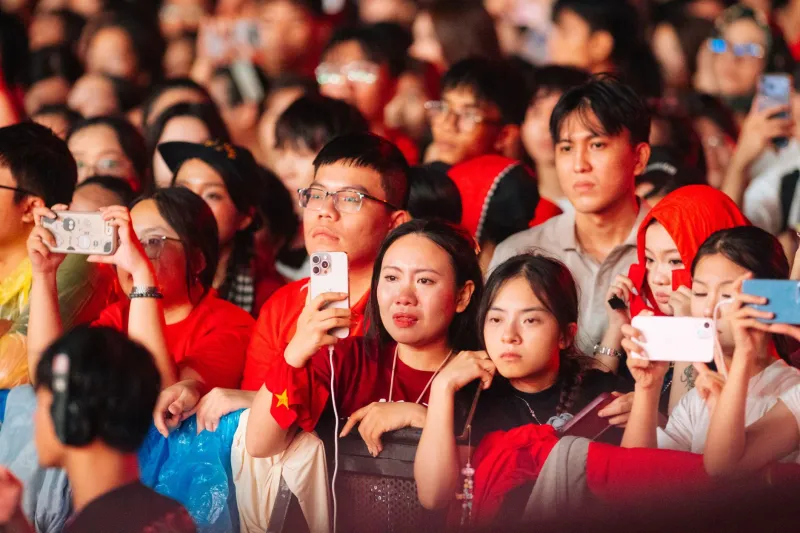
Forget scripted TV. Forget streaming. Forget whatever prestige drama just dropped on HBO. The most consistent, most compelling, most absolutely unhinged entertainment product of the last five years has been free, unscheduled, and delivered directly to your phone at 2am: the celebrity beef.
We are living in a golden age of public conflict, and Gen Z didn't just show up to watch — they built the stadium, installed the commentary booth, and started selling merch at the gate. The celebrity feud has evolved from tabloid gossip into a full-spectrum entertainment ecosystem, and understanding why requires looking at what Gen Z actually wants from their pop culture diet.
Spoiler: it's not resolution. It's not justice. It's not even really sides. It's the chaos itself, and they want it delivered hot.
The Architecture of a Good Beef
Not all celebrity conflicts are created equal. Gen Z has developed — consciously or not — a remarkably sophisticated palate for what makes a feud worth investing in versus what makes it cringe-worthy and forgettable.
The ingredients of a truly great beef, as any chronically online person could tell you, include: history (preferably long and complicated), receipts (the older the better), a power dynamic that's at least slightly interesting, and at least one party who genuinely cannot help themselves from escalating. The Drake vs. Kendrick situation that consumed early 2024 was practically a masterclass — years of subtext, undeniable talent on both sides, diss tracks that were actually good, and a finale that felt like a sporting event. People were streaming "Not Like Us" in parking lots. It had the energy of a championship game.
Contrast that with a beef that fizzles — usually two celebrities trading vague statements through publicists, neither willing to actually say anything, both clearly advised to keep it "professional." Those die in 48 hours. Gen Z can smell managed conflict from miles away and they have zero patience for it.
"A bad beef is just PR," says Dominic, 23, from Houston, who runs a pop culture commentary account. "A good beef is when someone forgets they have a PR team."
The Shift From Sides to Spectacle
Here's what's genuinely new about how Gen Z engages with celebrity drama: the declining importance of picking a side. Previous generations of pop culture consumers organized themselves around allegiances — you were Team Aniston or Team Jolie, full stop. The beef was a loyalty test.
Gen Z is increasingly opting out of that structure. The more interesting position, for a lot of younger fans, is no position at all — or rather, a position that's entirely about appreciating the spectacle rather than rooting for an outcome. It's the difference between watching a boxing match because you want one fighter to win versus watching because the fight itself is beautiful and brutal and you want to see what happens next.
This isn't cynicism. It's a different relationship with conflict — one that's less about moral stakes and more about entertainment value. And it makes a certain amount of sense for a generation that's watched "sides" get weaponized by bad actors over and over again. Picking a side in a celebrity beef is a risk. The person you defend today might be problematic tomorrow. Better to enjoy the show without buying a jersey.
"I don't have a dog in most of these fights," says 20-year-old Camille from New York. "I'm just watching because it's the most interesting thing happening today. I'll watch something else tomorrow."
The Comment Section Is the Show
One thing that separates the celebrity beef experience from any other form of entertainment is the participatory layer. When you watch a Netflix series, you're a passive consumer. When a celebrity feud breaks, you're a potential contributor to one of the most entertaining comment sections on the internet.
The commentary culture around beefs has become its own art form. The memes, the reaction videos, the Twitter/X threads breaking down the timeline, the TikTok duets responding to diss tracks — this is a creative ecosystem that the beef itself generates. The celebrities are almost secondary to the community that springs up around them.
Big creators built entire audiences by being the person who could be trusted to have the best, most entertaining take within hours of something breaking. Pop culture commentary has become a legitimate genre, and celebrity conflict is its most reliable raw material. When Nicki Minaj and Megan Thee Stallion's feud erupted in 2024, the commentary content that followed probably reached more people than the original posts themselves.
Why It Hits Different Than Reality TV
For years, reality TV was the home of manufactured conflict. But Gen Z has largely clocked the production scaffolding behind even the most "unscripted" shows — the producer manipulation, the selective editing, the drama that's been nudged along by people off-camera. It still works, but it's got a ceiling.
Celebrity beefs have no such ceiling because they're not manufactured (usually). The stakes are real. The embarrassment is real. The money and reputation on the line are real. When a celebrity responds to a diss track or posts a shady caption or calls someone out in an interview, they're doing it with actual consequences attached. That authenticity — ironic, given how much we've discussed authenticity's collapse elsewhere — is exactly what makes it compelling.
It's also unscheduled. Reality TV drops on a streaming platform at a predetermined time. A beef can erupt at 11pm on a Tuesday when you have work in the morning, and you're staying up anyway because the timeline is on fire and you are not missing this.
The Beef Industrial Complex
Of course, now that everyone understands the entertainment value of public conflict, some celebrities have started... manufacturing it. Staged feuds, manufactured tension, beef that's really just a mutual press strategy dressed up as drama. Gen Z is not impressed by this and is usually very good at identifying it.
The cynical play almost always backfires. Audiences who've been trained to appreciate genuine chaos can tell when the chaos is scripted. The result is a kind of meta-level contempt: not just boredom, but active irritation at being played.
The real ones — the beefs that live forever in the culture — are always the ones that clearly got out of hand. The ones where someone said something they probably shouldn't have, or where old wounds opened up in public, or where the ego involved was simply too large to stay quiet. Those are the ones people are still talking about years later.
And Gen Z will be right there watching, popcorn in hand, picking nobody's side, having the absolute time of their lives.